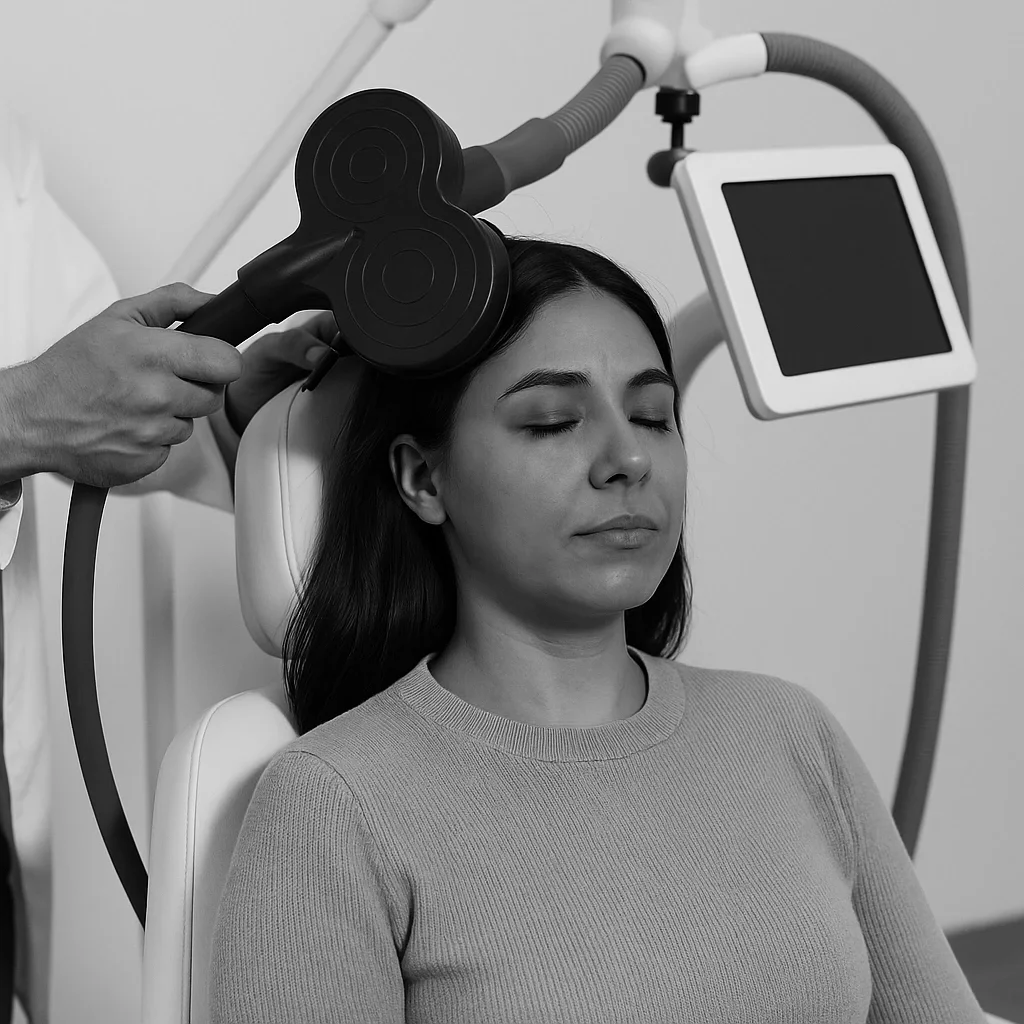
Deep TMS in Northwest Reno, Nevada
A New Life for Depression and OCD Symptoms That Have Not Improved With Traditional Treatment
VitaNova brings FDA-approved Deep Transcranial Magnetic Stimulation (Deep TMS) to Northwest Nevada. Deep TMS is a noninvasive, medication-free option for individuals who have not experienced adequate relief with standard approaches.
All TMS evaluations, mapping, and treatment planning are completed by a board-certified clinician trained in neuromodulation and treatment-resistant conditions.
Why VitaNova Offers Deep TMS
TMS isn’t another treatment — it’s a breakthrough.
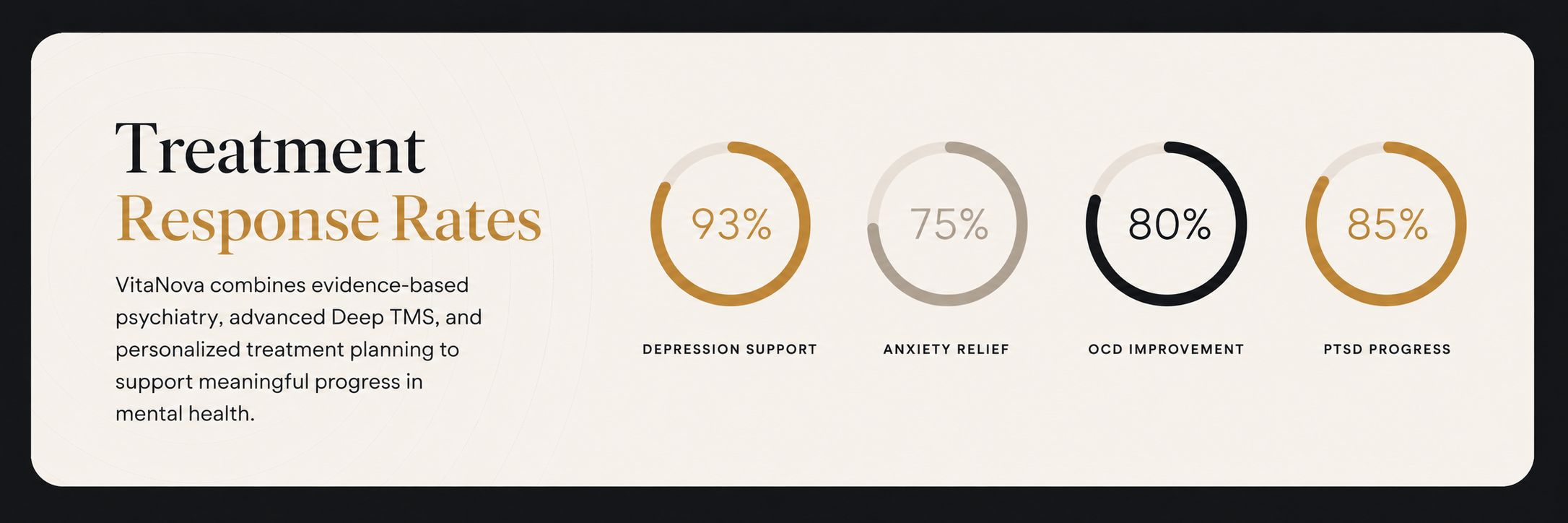
For patients who haven’t found relief with medications, Deep TMS (dTMS) offers a targeted, non-invasive approach that can significantly improve symptoms of depression, anxiety, and OCD.
Studies show that over 50-60% of patients experience meaningful improvement, with many achieving remission — without the systemic side effects of medication.
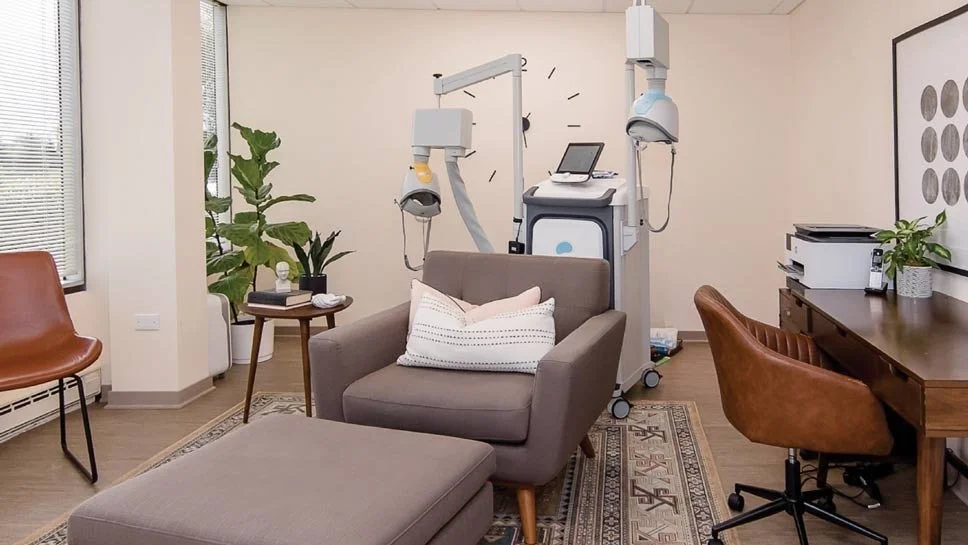
For many in Northwest Nevada, accessing FDA-approved TMS therapy has traditionally required travel to South Reno. VitaNova exists to change that. Now offering dTMS in Northwest Reno.
Why Timing Matters in Mental Health
In medicine, we often say “time is brain.” The brain is a living organ, no different than the heart, lungs, or kidneys, and prolonged, untreated illness can lead to measurable changes in the structure, connectivity, and function of the brain.
Deep TMS. A Novel Treatment for Brain Healing
EXPLORE INNOVATION WITH DEEP TMS
Why Patients Choose Deep TMS
Deep TMS offers a noninvasive treatment option for eligible patients and may be used alone or alongside medication and psychotherapy as part of a comprehensive treatment plan.
FDA-Cleared Treatment
Deep TMS has FDA-cleared indications for select psychiatric conditions. Eligibility depends on diagnosis, treatment history, the specific treatment protocol, and clinical assessment.
Non-Drug Treatment
TMS uses magnetic stimulation rather than medication to influence targeted brain circuits. Because it does not work systemically throughout the body, it generally avoids many systemic medication side effects.
No General Anesthesia
Treatment is performed while you are awake and alert. Deep TMS does not require general anesthesia or routine sedation, and sessions are completed in an outpatient setting.
Minimal Downtime
Most patients can return to normal daily activities after treatment. There is typically no post-anesthesia recovery period or prolonged downtime following a session.
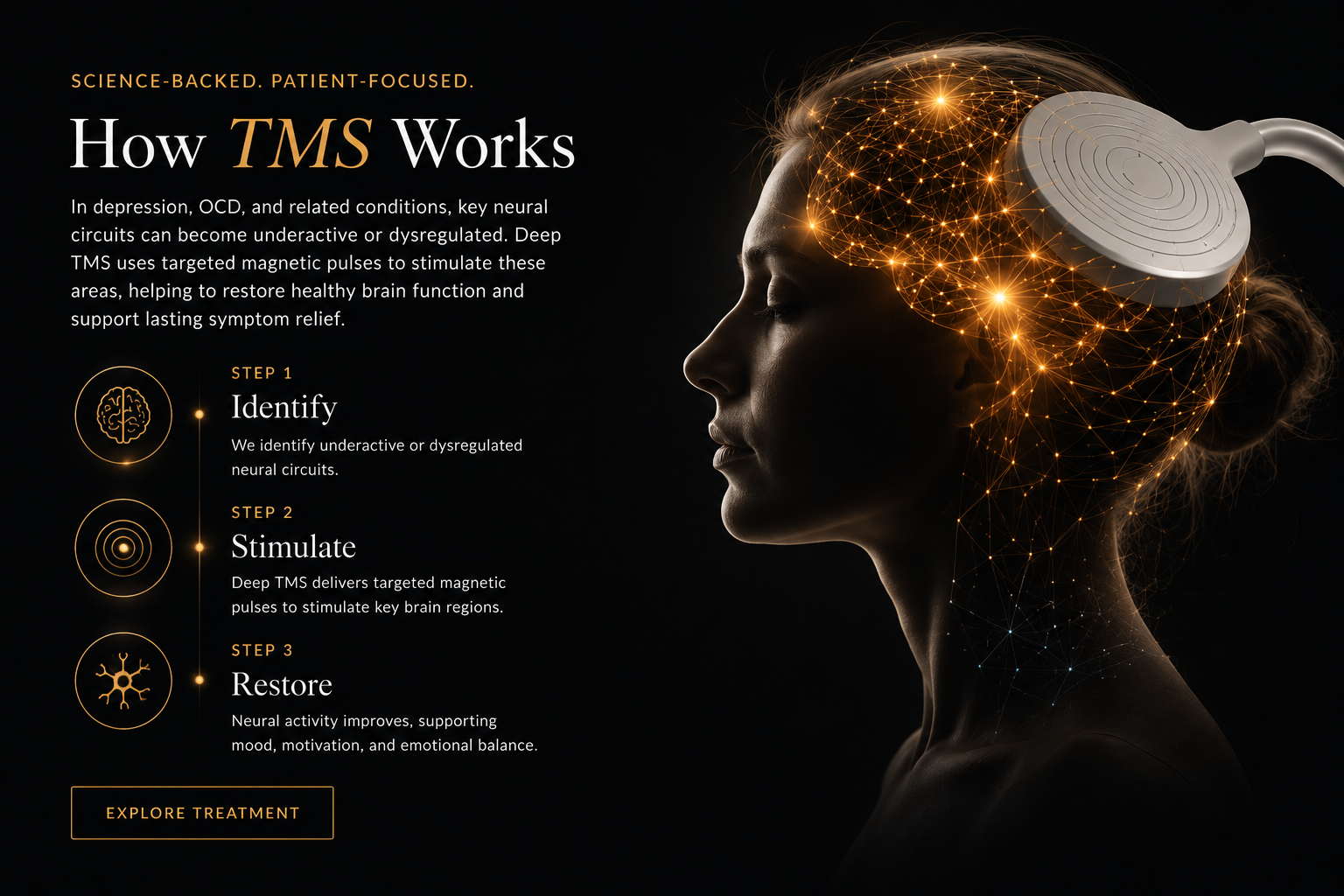
Why Deep TMS Is Different
TMS systems are not all designed the same way. Coil design and treatment protocols influence how magnetic stimulation reaches and engages targeted neural networks.
Traditional TMS
Traditional figure-8 coil systems are designed to stimulate relatively focused cortical targets near the surface of the brain.
Conventional TMS has an established role in psychiatric treatment and remains an effective option for appropriately selected patients.
Treatment location and protocol are selected based on the diagnosis, treatment goals, and specific system being used.
Deep TMS
Deep TMS uses specialized coil configurations designed to engage broader and deeper neural targets than conventional figure-8 coils.
Rather than focusing only on a small cortical target, Deep TMS is designed to influence broader neural networks involved in mood, behavior, and other psychiatric symptoms.
Treatment is selected according to the condition being treated, device labeling, prior treatment history, and clinical assessment.
The goal is not simply to stimulate “deeper.” It is to select the appropriate technology and protocol for the neural circuits involved in a patient's condition while balancing evidence, safety, and individual treatment needs.

What Deep TMS Treats
What Deep TMS Treats
Deep TMS is used for select psychiatric conditions based on diagnosis, prior treatment response, clinical appropriateness, and the specific treatment protocol available.
Major Depressive Disorder
Noninvasive neuromodulation for eligible patients with depression, particularly when prior treatment has not provided adequate relief.
FDA-ClearedObsessive-Compulsive Disorder
Deep TMS may be considered for eligible patients with OCD as part of a broader evidence-based treatment plan.
FDA-ClearedPTSD
Research has explored TMS for trauma-related symptoms, though use may be off-label depending on the treatment system and protocol.
Research-SupportedBipolar Depression
TMS has been studied for depressive episodes in bipolar disorder. Treatment requires careful psychiatric assessment and monitoring.
Research-SupportedPostpartum Depression
TMS has been studied as a noninvasive treatment option in selected patients with perinatal or postpartum depressive symptoms.
Research-SupportedOther Conditions
Additional applications continue to be studied. Eligibility depends on diagnosis, available evidence, device labeling, and clinical need.
Individual ReviewWhat to Expect
TMS is a noninvasive treatment performed while you are awake and seated comfortably. Your treatment plan is individualized after clinical evaluation and safety screening.
Your First Appointment
Your initial visit includes a comprehensive evaluation, review of your medical and psychiatric history, safety screening, discussion of prior treatments, and personalized treatment planning to determine whether TMS is appropriate for you.
During Treatment
You remain awake and seated comfortably throughout the session.
A magnetic coil is positioned gently against the scalp at the treatment location determined for your protocol.
You may notice tapping or clicking sensations during stimulation.
Treatment duration varies by protocol, and your clinician will review what to expect before treatment begins.
After Treatment
Most patients can resume normal daily activities immediately after a session.
There is typically no anesthesia or recovery period required.
Some people notice temporary scalp discomfort, headache, or sensitivity, particularly early in the treatment course.
Response typically develops gradually over a course of treatment, and progress is monitored throughout care.

Side Effects and Safety
Side Effects & Safety
TMS is generally well tolerated. When side effects occur, they are most often mild and temporary, particularly during the early stages of treatment.
Serious Risks Are Rare
Seizure is a rare but recognized risk of TMS.
Individual risk can vary based on medical history, medications,
treatment parameters, and other factors. A safety assessment is
completed before treatment begins.
TMS does not require general anesthesia or routine sedation and is
not generally associated with the cognitive adverse effects seen
with some other neuromodulation treatments.
Who Needs Additional Screening?
Tell your clinician about any
implanted metal or electronic medical devices,
especially devices located in or near the head, as well as any
history of seizures or neurological conditions.
These factors do not always mean that treatment is impossible,
but they may affect whether TMS is appropriate or require additional
safety review.
Before beginning TMS, we review your medical and psychiatric history, medications, implanted devices, neurological history, and other relevant safety factors to determine whether treatment is appropriate.
Deep TMS vs Other Options
Deep TMS vs. Other Treatments
Different treatments work in different ways. Deep TMS may be used alone or alongside medication and psychotherapy depending on your diagnosis, treatment history, and clinical needs.
Medication
Works systemically throughout the body and may cause side effects such as gastrointestinal symptoms, weight changes, sexual side effects, sedation, or activation depending on the medication.
Delivers localized magnetic stimulation to targeted brain regions and generally has fewer systemic side effects than medication.
Psychotherapy
Helps patients understand patterns of thought, emotion, and behavior while developing coping skills and strategies for long-term change.
Uses noninvasive neuromodulation and may be combined with psychotherapy as part of a comprehensive treatment plan.
ECT
Is a highly effective treatment for certain severe psychiatric conditions and is performed under anesthesia. Temporary memory effects can occur.
Does not require general anesthesia or routine sedation and is not generally associated with the degree of memory impairment seen with ECT.
Insurance and Affordability
Several insurance plans may cover TMS for FDA-approved indications, though coverage varies by carrier and clinical criteria. When appropriate, VitaNova provides documentation to support eligibility and reimbursement efforts.
For out-of-network or private pay, VitaNova offers:
Transparent cash-pay pricing
Detailed superbills for out-of-network reimbursement
Third-party finance options (often with 0% interest)
Choose Your Path
Option A: Self-Pay TMS Consultation
A Deep TMS consultation is a 60–75 minute visit with a board-certified clinician. The visit reviews history, current symptoms, prior treatments, and safety factors to determine if Deep TMS is appropriate.
Option B: Use Insurance for Deep TMS Consultation
VitaNova verifies benefits before issuing payments to reduce unexpected costs. After collecting basic insurance and history information and confirming coverage is possible, a consultation is scheduled, and authorization is pursued.

Research and References
VitaNova believes in science-grounded care. The resources below are provided for education and are not medical advice. Treatment recommendations are based on an individual clinical evaluation.
Deep TMS / TMS:
Related neuromodulation research (DBS, different from TMS):
Deep Brain Stimulation (DBS) is an implanted neurosurgical treatment and is not the same as Deep TMS. These studies are included for those interested in treatment-resistant depression research.